



Game info
Horror, Stealth, Escape
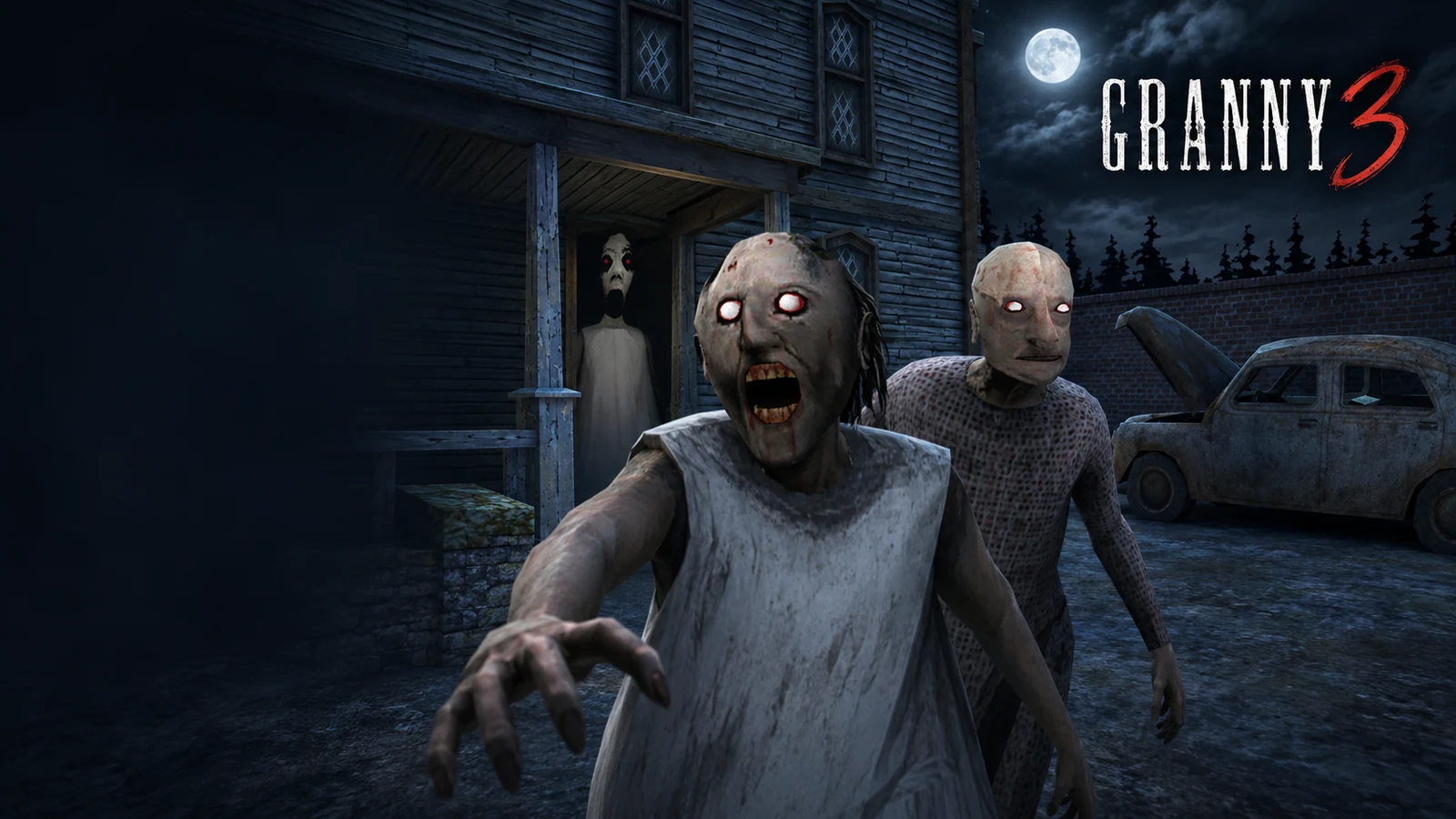
Granny 3 continues DVloper’s escape-horror series with a different house and a dangerous group of inhabitants. Exploration is a sequence of risk decisions: search, move a tool, operate a mechanism and get out of sight.
About Granny 3
Granny 3 continues DVloper’s escape-horror series with a different house and a dangerous group of inhabitants. Exploration is a sequence of risk decisions: search, move a tool, operate a mechanism and get out of sight.

Gameplay overview
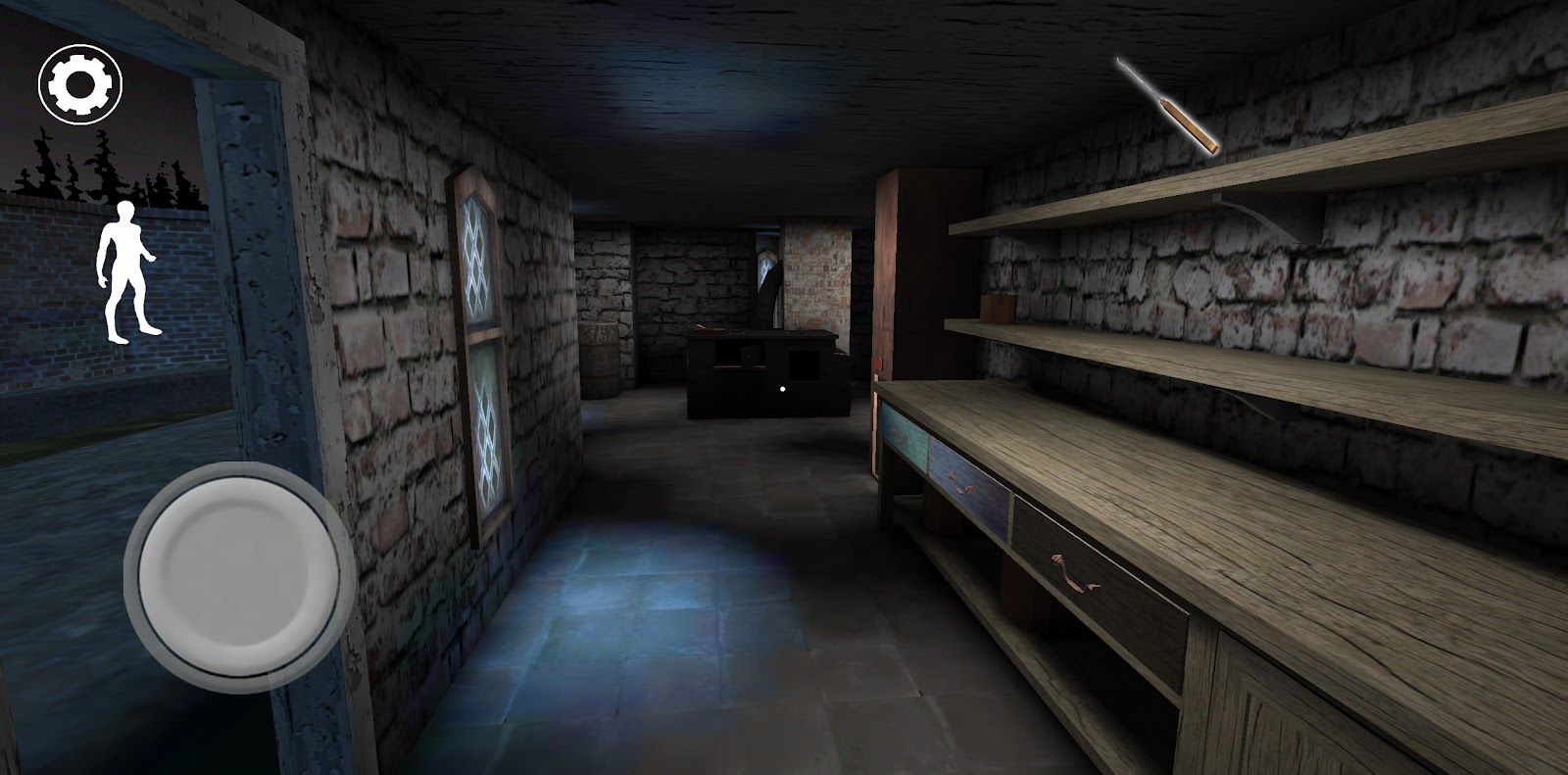
Investigate rooms, connect objects to escape requirements and avoid the characters patrolling the property. Sound and visibility influence how safe a route is. The player has to remember useful paths while assembling the steps needed to leave.
How to Play
Make a mental map around the routes you can repeat safely. On finding a new object, connect it to a specific lock or mechanism before carrying it into another dangerous area. If several enemies can approach, pick a hiding or retreat route before interacting with the objective. A shorter route is valuable only if it is survivable.
Controls
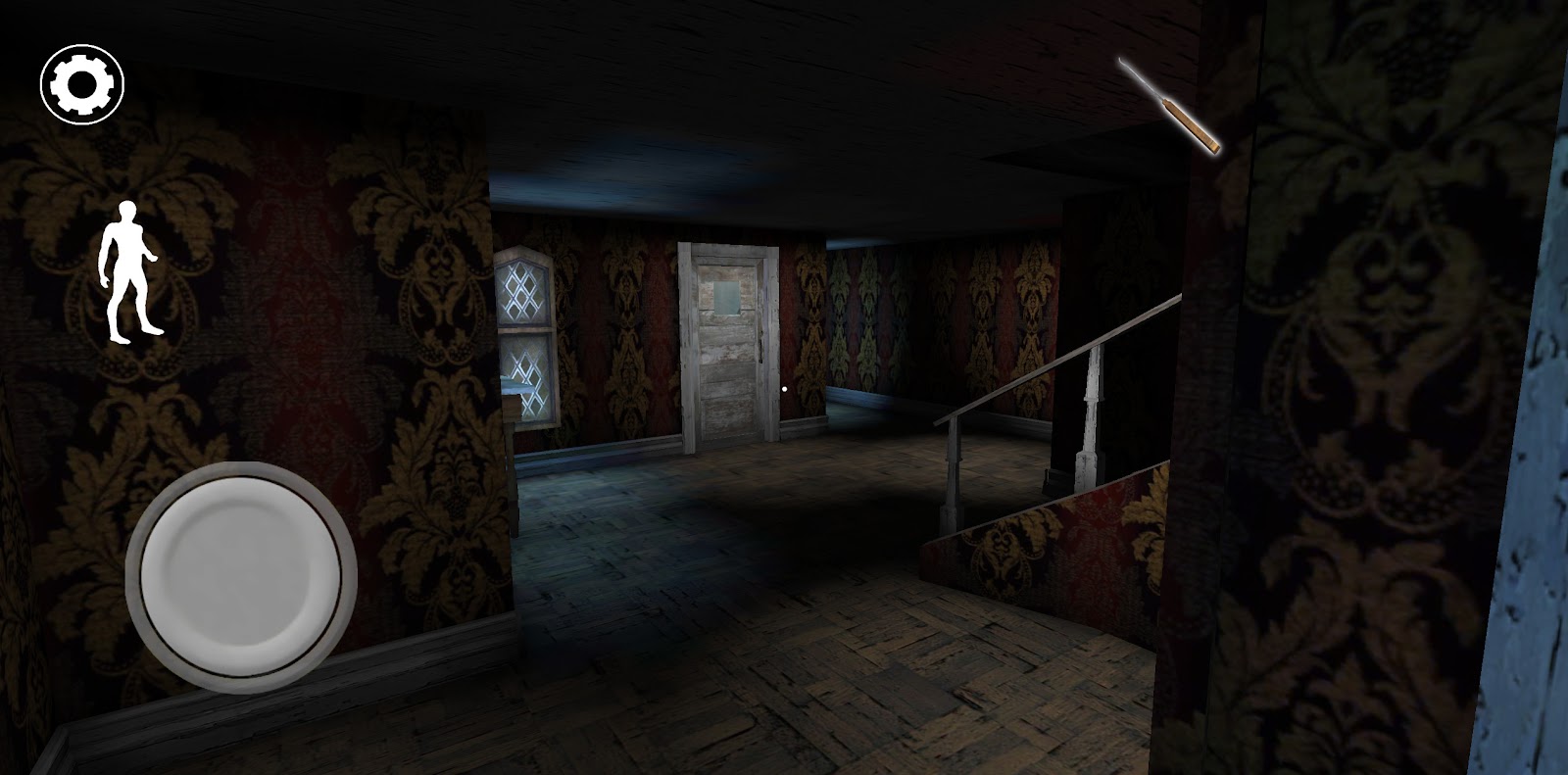
Android edition: on-screen movement, camera and contextual actions. Browser alternatives: see each recorded keyboard/mouse control list.
Pro Tips
- Keep the sequel’s item information separate from the first Granny.
- Learn a retreat route before experimenting with an unfamiliar mechanism.
- Pay attention to sound rather than relying only on the view ahead.
- Read the selected difficulty description before making comparisons.
Making Better Decisions
Keep a route plan alongside the item plan. Finding the tool is only one step; reaching the mechanism with it and leaving safely can be the harder part. When several dangerous characters can affect an area, observe the immediate surroundings before beginning a noisy or slow interaction. If a route becomes unsafe, return to a known room rather than moving deeper into an unfamiliar section without a purpose. After failure, record what was learned about one object, lock or patrol path. That information is more useful than remembering only the moment of the jump scare. A walkthrough should identify Granny 3 explicitly, because a correct item location from a different house or a fan-made school escape can send the player in the wrong direction.
Features, Modes and Progression
The Google Play listing is the verified Android source. No matching official UK iOS listing was selected; an App Store result for Granny or Chapter Two must not be used as Granny 3.
Give each route a reason
An escape route is more than a sequence of rooms. It connects a useful discovery to the place where that discovery matters. Before leaving a known area, decide what the next trip is meant to achieve and how you will return if it becomes unsafe. That makes a new attempt easier to compare with the previous one. When you fail, remember one specific junction or interaction instead of trying to memorise every moment at once. The next attempt can then test a clearer plan.
Learn the current difficulty rather than an assumed pattern
Movement, threats and available help can depend on the selected game settings. Read the menu and test a safe opening before making a route depend on a particular timing window. If an interaction is unclear, confirm the control while you have room to recover. A route that relies on an untested input can break at the least convenient moment.
Granny, Grandpa and Slendrina create different problems
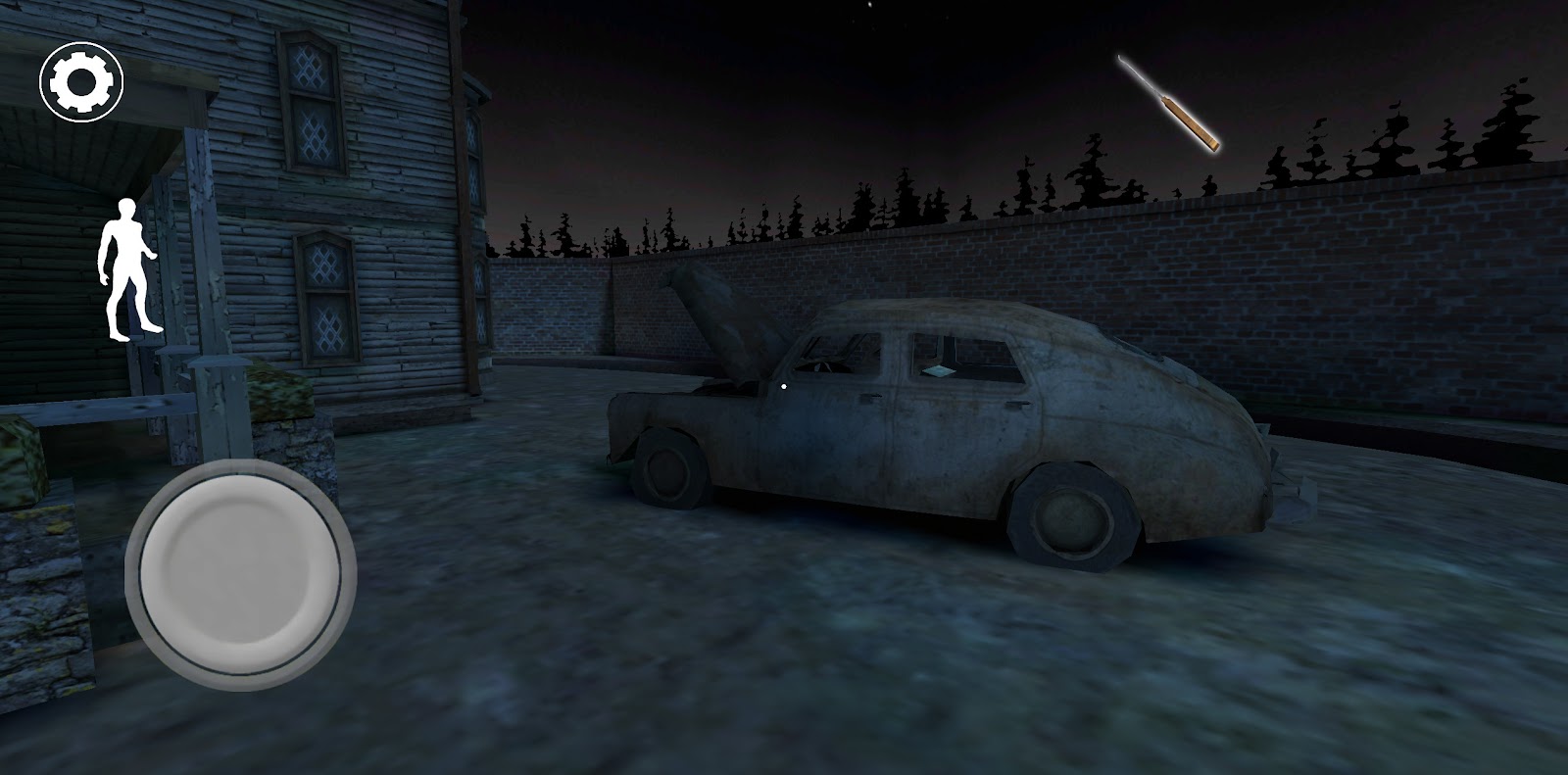
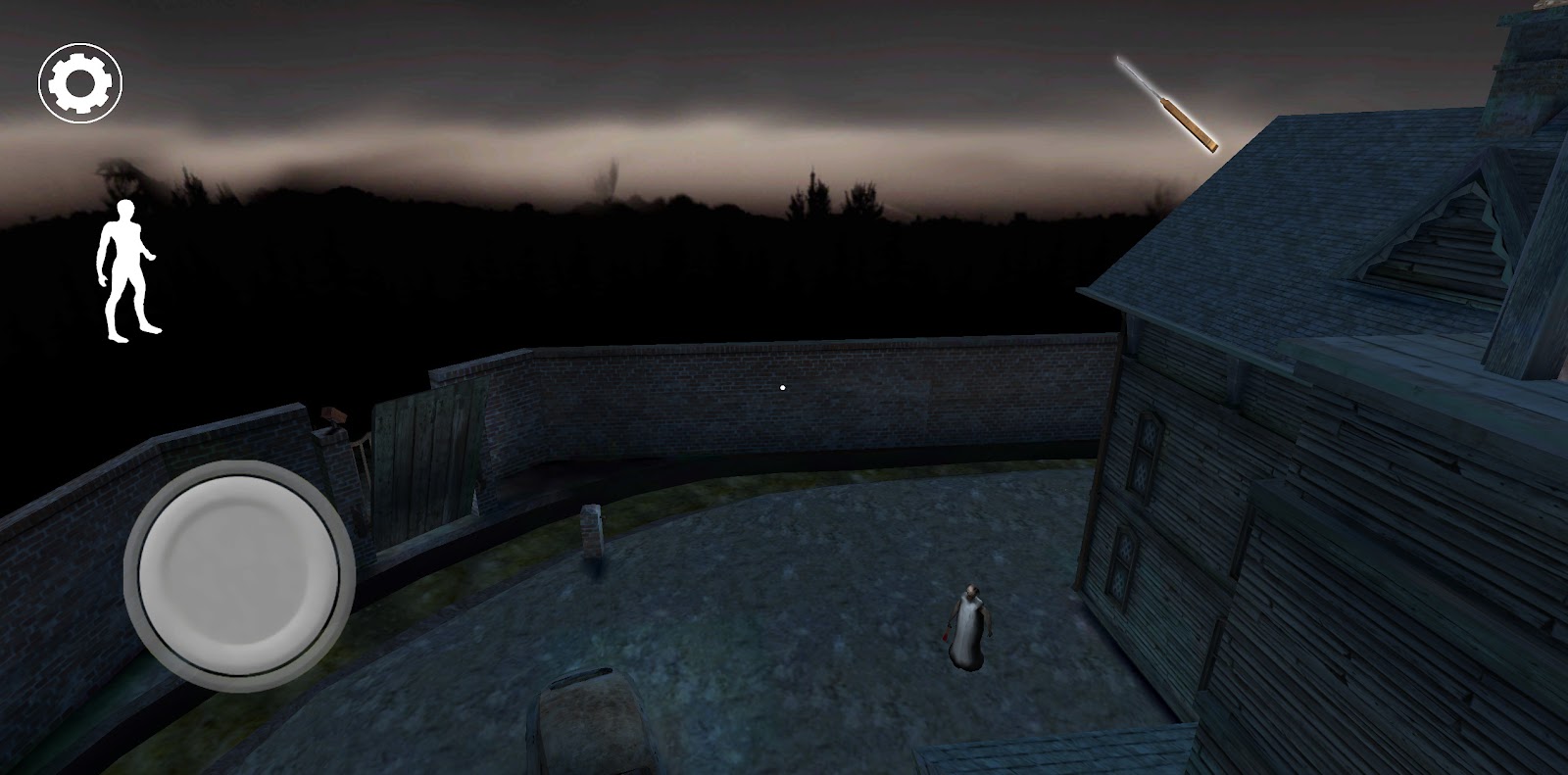
Granny 3's published setup places Granny and Grandpa in a new home, with the prisoner trying to escape before the fifth day ends. The familiar Granny character reacts to noise, including dropped objects and creaking floorboards. That makes the route and the action together important: a useful interaction can become risky when the surface or object gives away the position.
Grandpa is described differently from Granny, with poorer hearing and an armed threat. Do not reduce both characters to one assumed pursuit pattern. Watch the relevant route and use the current difficulty information rather than relying on a timing routine learned around only one enemy. The game is easier to reason about when each threat is observed on its own terms.
Slendrina's gaze and the decision to look away
Slendrina adds another kind of encounter. The original description warns the player to look away when she appears. That is different from simply running towards a familiar hiding place. Recognising the special condition is more useful than treating every alarming image as the same event. Give the current game instructions attention before committing an important journey to an assumed response.
Beds, sofas and closets are among the hiding places described for this release. Learn their positions while exploring and connect them to the route out. A threatening encounter can interrupt a trip without needing to erase the entire plan. Once you recover direction, return to the specific object or obstacle the journey was meant to address. The distinct characters, sound conditions and limited escape window give Granny 3 a recognisable structure beyond the general idea of a dark house.
Understanding Granny 3 as an escape problem
Granny 3 asks you to understand a hostile place while several threats can interrupt exploration. Begin by connecting spaces rather than following an assumed walkthrough route. Identify the opening area, the next safe landmark and a way back. An escape objective becomes easier to plan when you know which journey is for discovery and which is for using an item you already understand.
The series' familiar characters do not make the environment identical to an earlier Granny game. Treat doors, outside areas and obstacles as new information. A route remembered from another title may create expectations that do not fit the current house or grounds. Read the chosen difficulty and the game's opening instructions before depending on a particular character being absent, slow or unable to notice an action.
Keeping several threats in view
Watching one enemy can draw attention away from the route itself. Before leaving a known area, notice where another threat could appear and which turn gives you room to recover. An apparently clear corridor is useful only if you still understand the space at its far end. Avoid making a long trip depend on never having to change direction.
Sound can provide context, but combine it with visual checks and the current difficulty settings. A recording of another player's attempt is not a guarantee of the same timing. When the game introduces a special threat or rule, give that prompt attention rather than treating every danger as an ordinary pursuit. Learn what makes that encounter different before testing an important escape step around it.
Transporting useful objects with a destination in mind
An object should be connected to a purpose. When you find something that appears important, remember the location and look for the obstacle it might affect. Plan the path between the two before carrying it through an unfamiliar section. A familiar return journey gives you more room to respond if exploration becomes unsafe.
If an interaction does not work, inspect the object, position and sequence separately. Some obstacles require a prerequisite; others may need the correct tool or a precise point of interaction. Testing every possibility while standing in a dangerous spot can create confusion without progress. A careful look from a safer position is often more useful than another rushed attempt at the same input.
Testing a route in smaller pieces
Divide a complicated journey into recognisable stages: reach a doorway, cross a room, identify the next exit and only then continue. That makes a failed attempt informative. You can distinguish a movement problem from a route-planning problem instead of blaming the entire escape. Once two stages are dependable, connect them and observe where the next uncertainty begins.
A practice attempt does not need to collect every possible item. Learning where a path ends or which action creates noise can justify the trip. Keep one observation for the following attempt. Changing the objective, route and controls at the same time makes it difficult to tell what helped. Granny 3 becomes more readable when the next attempt answers a specific question.
Camera control, hiding and recovering direction
Camera movement should let you inspect a room without losing the exit. Test its speed in an opening area, and choose a comfortable viewing position before a chase makes small adjustments difficult. On touch controls, leave enough clear screen space to see doorways and interaction prompts. On a mouse, a very fast camera can turn a short glance into a lost sense of direction.
When using a hiding place, note where you entered and which landmark will reorient you on the way out. Safety is only one part of the decision; the next destination matters too. Emerging into an unfamiliar direction can undo the value of waiting. A planned hiding point should connect back to the route, rather than becoming a place where the original objective is forgotten.
Series information and planning the next escape attempt
The official store listings below identify Granny 3 and its publisher, DVloper. Refer to DVloper's website and the current release for product information. Controls, difficulty choices and available help should be checked in the game being played. Different games in the Granny series should not share one supposedly universal escape checklist.
Before restarting, choose the part of the attempt you want to improve. It might be recognising a junction earlier, identifying an item's destination or testing an interaction without losing the return route. That is a useful goal even before a full escape is possible. Understanding grows from connected observations, and each dependable piece of the route makes the next trip less uncertain.
Worked example: finding an item without knowing its destination
Suppose you discover an object that appears useful but have not identified the obstacle it affects. Carrying it through every unexplored room may create more risk without adding information. Remember where it was found, inspect nearby routes and look for a plausible destination. A useful plan connects the item, the obstacle and a path between them. Each part can be learned separately before attempting the full journey.
When you have a destination, test the route in stages. Identify a doorway, a turning point and a safe place to regain direction. If something interrupts the trip, those landmarks help distinguish a navigation problem from an interaction problem. A failed journey then provides information you can apply rather than simply proving that the whole house still feels confusing.
Worked example: an interaction that creates noise
Before testing a noisy object or mechanism, decide where you will move afterwards. An action can be worth trying when its result teaches something important and the return path is understood. The same action is much less useful when it leaves you standing in an unfamiliar dead end. The decision is about the information gained and the position left after testing it.
If a threat arrives, separate the immediate recovery from the original objective. Reach a known position first, then decide whether the trip can continue. Looking for a new item while also trying to escape can make both tasks harder to follow. A familiar hiding point is most valuable when you also know the route out and the landmark that will restore your direction.
Comfort and settings matter in a tense game
Use a comfortable camera speed and viewing distance. Test movement and interaction in the opening area rather than discovering an unfamiliar key during a chase. Sound can help, but it should remain at a comfortable level and be combined with visual checks. Read difficulty settings before using a timing pattern from another attempt or video. A horror escape game can be challenging without making the controls themselves an extra mystery; a clear input and a route you recognise leave more attention for the environment.
Related games
Frequently asked questions
Is Granny 3 available in the iOS links shown for other Granny games?
Those are separate titles. This record does not treat Granny or Chapter Two as an official Granny 3 iOS release.
Should I use a walkthrough for the first Granny?
Its layout and item solutions may not apply to this sequel; check the game and edition first.
Who develops or publishes Granny 3?
DVloper
Which controls should I use?
Android edition: on-screen movement, camera and contextual actions. Browser alternatives: see each recorded keyboard/mouse control list.
Is it free?
The observed Google Play listing is free to download. A browser alternative has its own provider terms and may include adverts.
Can I use my official account or saved progress in a browser alternative?
No account, purchase or save transfer is established unless the developer explicitly documents it for that build.
What games should I try next?
Compare Granny 3, Granny escape, Granny horror, haunted house escape. The related list prioritises shared mechanics and preserves each game’s real identity.

Good game? Tell us.0
Share a tip, celebrate a high score, or tell us what you think. Keep it friendly.